In 2025, China's cosmetics market exceeded one trillion yuan ($145.34 billion), becoming the largest globally, with domestic brands capturing nearly 60 percent of total sales. Amid this boom, the transformation of a small town in Huzhou, Zhejiang province, has attracted significant attention.
Once a mining area, Daixi town in Wuxing district is now home to one of China's top three beauty industry clusters.
Daixi's journey to becoming a hub of the beauty industry began in the early 2000s, when it pivoted from mining to sustainable industries. Since 2015, Daixi has capitalized on its pristine environment, especially the high-quality water from local reservoirs, to focus on cosmetics.
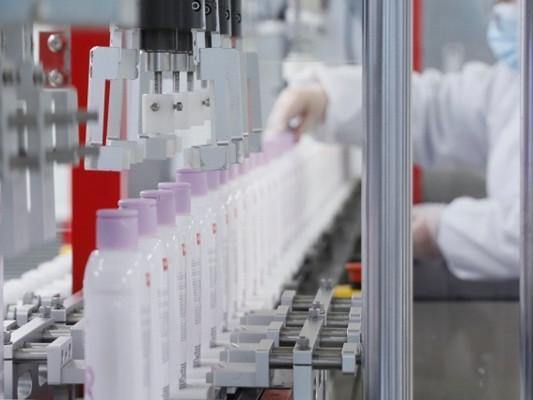
Today, over 330 beauty companies operate in Daixi's 3-square-kilometer industrial park. The town boasts China's first 5G smart cosmetics factory, with an automated production line capable of producing 2 million face masks a day.
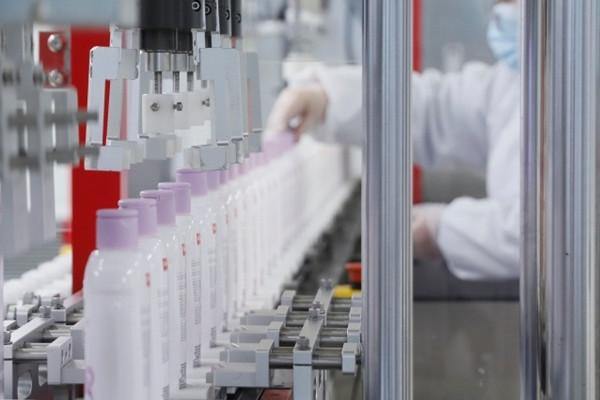
A batch of beauty products rolls off an automated production line. [Photo/Tide News]
Innovations like self-developed silicone molds for intricate lipstick designs have reduced costs and improved product quality.
In 2025, Beauty Ville, a cosmetics industrial zone located in Daixi, achieved an industrial output of over 12.5 billion yuan, with products exported to more than 70 countries.
The town is now shifting from scale to quality, integrating Chinese cultural elements into beauty products. Collaborations with international partners are expanding, and a new beauty industry academy is training specialized talent.
Daixi is establishing a regional public brand, complementing other beauty hubs like Shanghai and Guangzhou by focusing on high-end manufacturing.




 浙公网安备33010502011796号