Quzhou in East China's Zhejiang province is making strides in green and low-carbon transformation, setting an example for sustainable development.
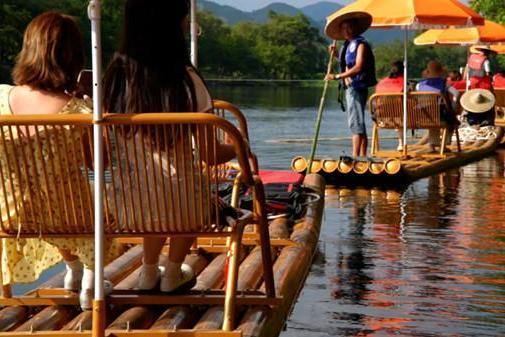
Along the serene banks of the Majin Creek, the thriving village of Xiayu in Kaihua county is home to stunning natural beauty and innovative businesses, attracting tourists eager to savor the breathtaking scenery, go bamboo rafting, and sample delicious coffee at shore-side cafes.
In a collaborative effort, eight villages along the Majin Creek invested in the Jinxi Waterfront Tourism Project last year, creating a continuous ecological and cultural tourism belt. This initiative links scenic spots, villages, and riverside parks, offering bamboo rafting, dragon boat experiences, and leisure activities while boosting local incomes.
In 2025, the Majin Creek region received over 6.29 million visits, generating over 5.3 billion yuan ($770.20 million) in revenue, a 13 percent increase from the previous year.
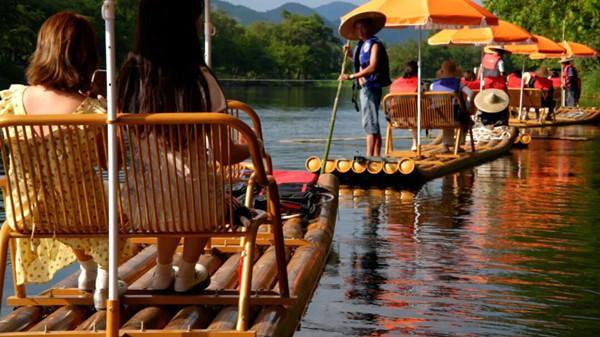
Tourists go bamboo rafting while taking in the scenic beauty along the Majin Creek. [Photo/WeChat account: quzhoufb]
Quzhou's commitment to low-carbon initiatives extends beyond tourism. The city has pioneered a comprehensive "carbon account" system, making carbon emissions measurable, manageable, and tradable.
By establishing its carbon account to drive green growth, Zhejiang Mingwang Dairy, based in Quzhou, reduced carbon emissions by 14,200 metric tons in 2025, leading to economic benefits worth more than 2.6 million yuan.
Carbon accounts are also transforming residents' lives in Quzhou. Residents earn "carbon points" through low-carbon actions such as cycling and waste sorting, which are redeemable for rewards like bike-sharing vouchers.









 浙公网安备33010502011796号