The global observance of World Cleanup Day 2026 will take place in Shaoxing, Zhejiang province, from Sept 19 to 21, with the main observance on Sept 20. Jointly hosted by UN-Habitat, China’s Ministry of Housing and Urban-Rural Development and the Zhejiang Provincial Government, the event will focus on food waste under the theme “From Clean Plates to Clean Cities”.
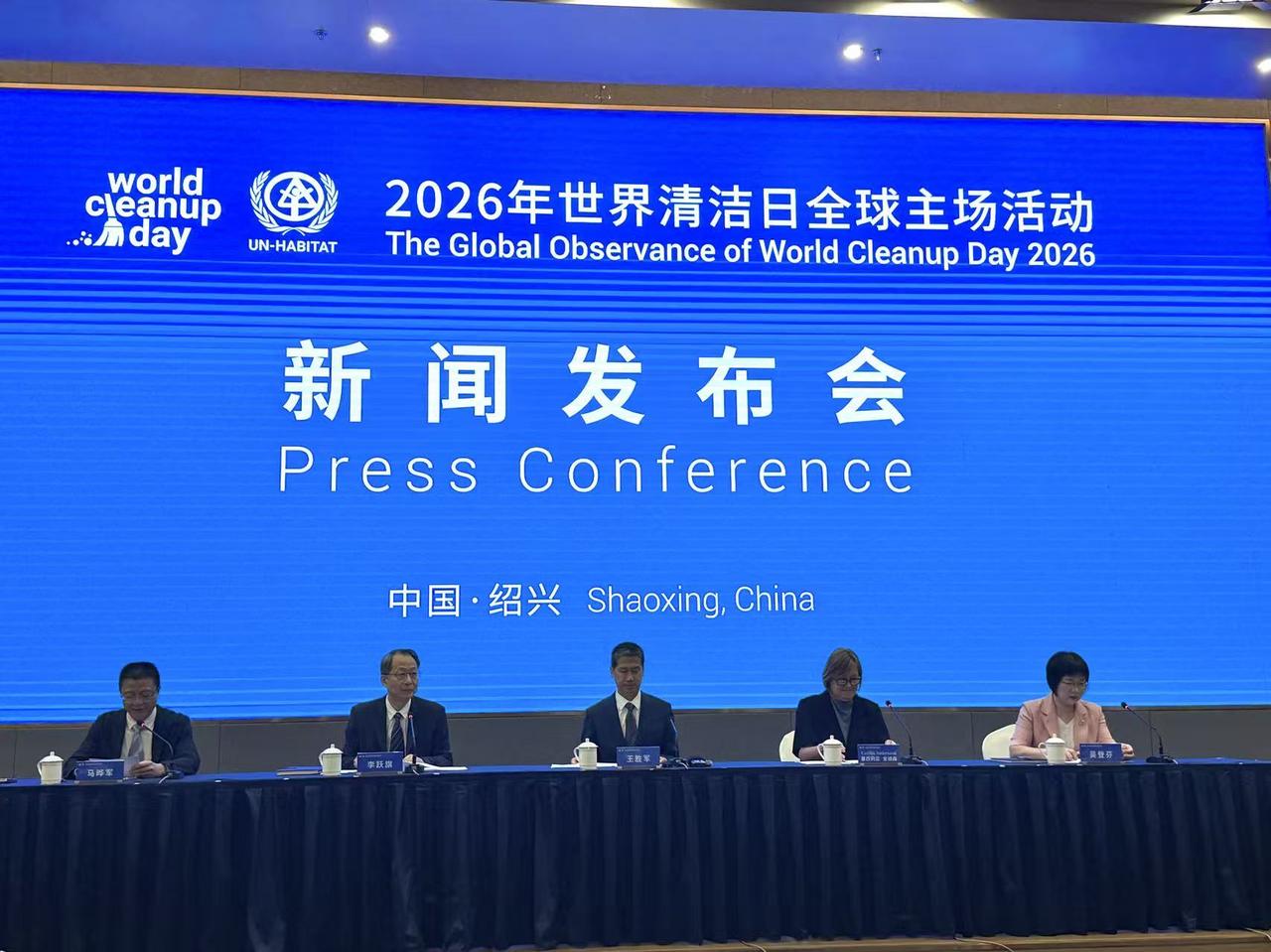
Press conference for the 2026 Global Observance of World Cleanup Day in Shaoxing, Zhejiang, on Aug 20
At a press conference, Cecilia Andersson, a Programme Manager at UN-Habitat, said the theme highlights the link between reducing food waste at source and building cleaner, more resource-efficient cities. Around one-third of food produced globally is lost or wasted, while food loss and waste accounts for an estimated 8 to 10 percent of global greenhouse gas emissions, according to UN data.
“Preventing waste at source can contribute to cleaner, healthier and more resource-efficient cities,” Andersson said.
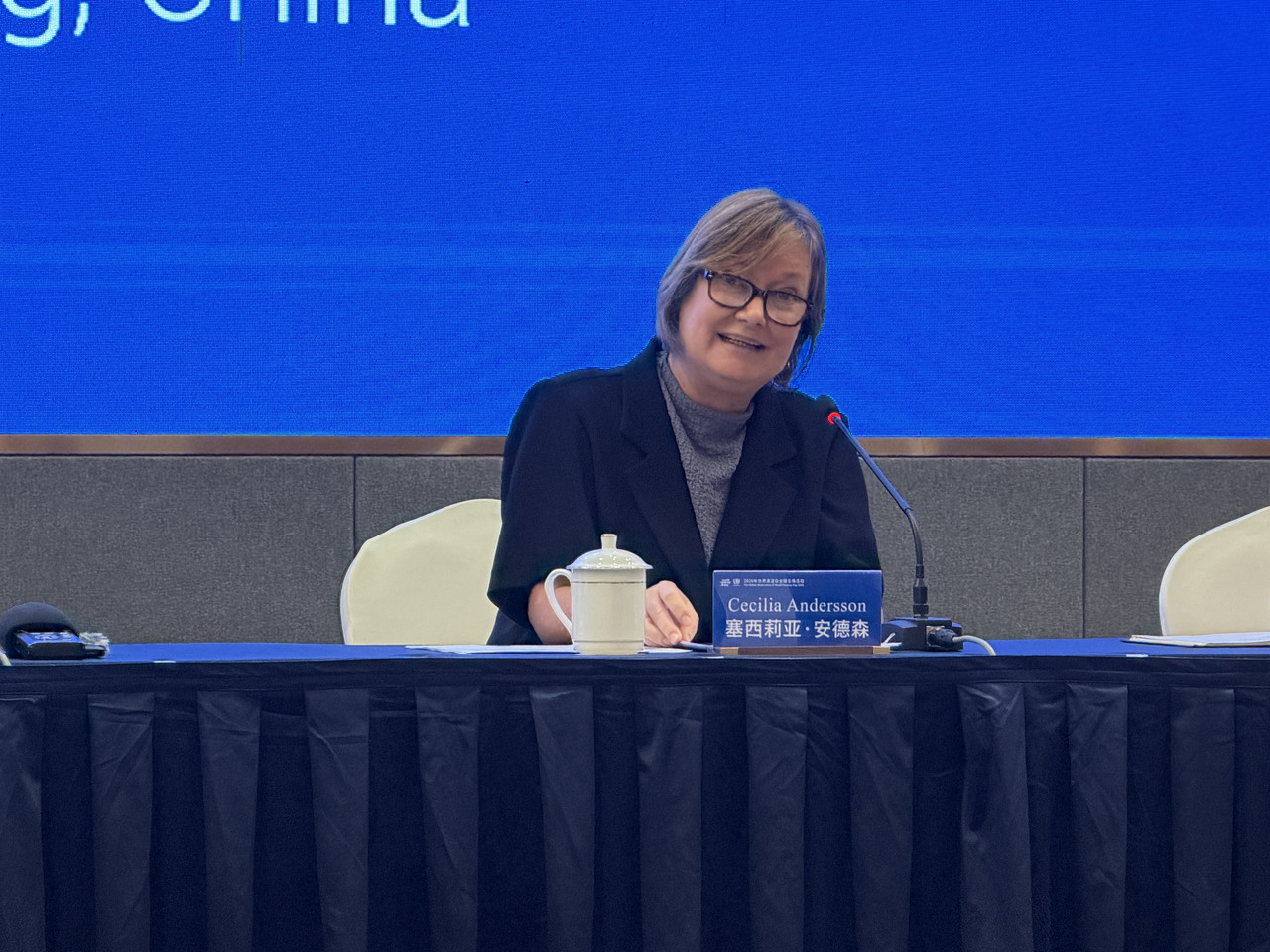
Cecilia Andersson of UN-Habitat at the press conference
The three-day event will bring together more than 600 participants from governments, international organizations, businesses and academia. It will feature an opening event, two major exhibitions, four forums and three study-visit routes showcasing practical approaches to food waste reduction, waste sorting, resource recycling, clean city development and smart technologies.
The exhibitions will include a 2,700-square-meter showcase of clean city practices from China and abroad, as well as a 26,000-square-meter environmental sanitation expo featuring waste-management equipment, smart technologies and new-energy solutions. The forums will explore topics including food waste reduction, circular economy, urban governance and the use of digital technologies in building cleaner cities.
World Cleanup Day was proclaimed by the UN General Assembly in 2023 and is observed annually on Sept 20. UN-Habitat facilitates the observance, which brings together governments, communities, businesses and civil society to raise awareness of waste management and promote cleaner environments.
Andersson said collective action is key to turning local solutions into broader change. “When communities, local governments, businesses and civil society work together, local solutions can grow into lasting city-wide change,” she said.
Reporter: Zhong Xinyi








 浙公网安备33010502011796号