A wildlife protection station expert gave a lecture to transmission line operation and maintenance personnel from the power department on March 31.
To protect the Hainan night heron, a critically endangered species, rarer even than the giant panda, while ensuring the safe and stable operation of the power grids during Qingming Festival, the Tomb-Sweeping Festival, the power department has joined forces with the local county forestry bureau and wildlife protection station. They have innovatively established a collaborative "power + forestry + ecology" protection mechanism, deeply integrating the protection of rare birds with efforts to prevent mountain fires.
The Hainan night heron is known as the "world's most mysterious bird" due to its extreme rarity and secretive nature. Since it was first discovered at Thousand-Island Lake in 2004, thanks to the region's superior ecological environment and strict fishing bans, that area has now become the largest breeding and nesting habitat for this elusive species in China.
To avoid the sensitive breeding period of the Hainan night heron, the power department, in collaboration with the forestry department, has established special patrol protocols. Experts meticulously analyzed the nesting preferences and habits of the Hainan night heron. Since the herons often nest on Masson pine branches more than six meters above the ground, and their nests are extremely well-concealed, power supply personnel are required, during the special Qingming Festival patrols, to use a combination of manual and drone patrols.
When conducting comprehensive inspections along the power line corridors near the lake wetlands, if a suspected nesting area is found, they must immediately record it and adjust their work plans. They are strictly forbidden from making loud noises or flying drones too close to avoid disturbing the birds, which could cause adult herons to abandon their nests. The goal is to ensure every chick hatches safely.
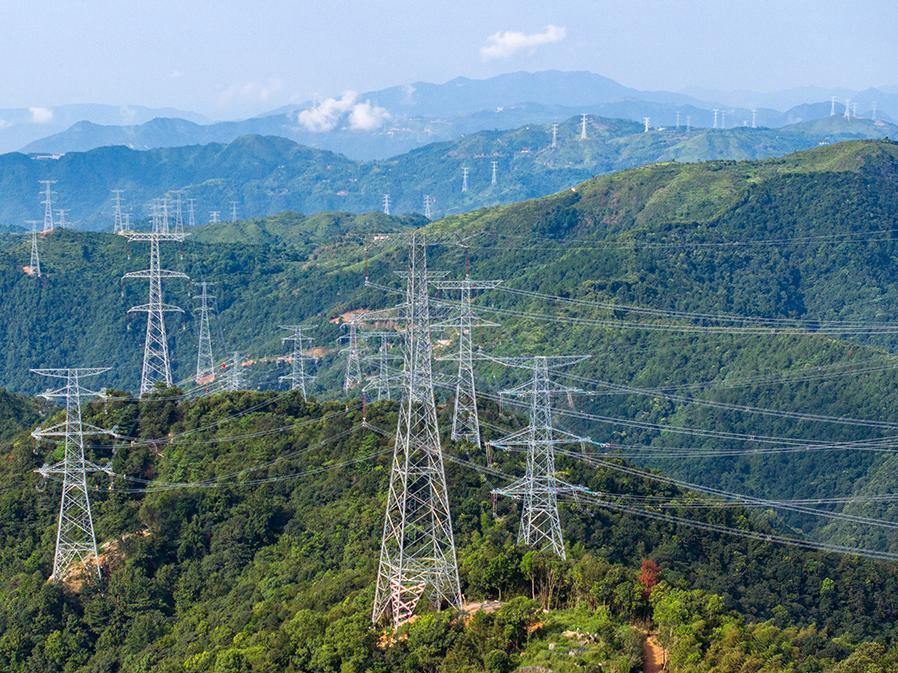
Operators utilized the advantages of drones — their wide field of view and high maneuverability — to conduct thorough, sweeping inspections of islands and deep mountain lines that are difficult for people to reach. The focus was on clearing flammable materials like dead wood and thatch within the line corridors. Both departments collaborated to place banners and distribute leaflets at mountain entrances and in village gathering areas, advocating for "flower-based rituals" and "smoke-free rituals", and educating the public on the dual importance of protecting power infrastructure and preserving rare birds.










 浙公网安备33010502011796号