The silk legacy of Huzhou in Zhejiang province dates back to ancient times. In 2015, the world's earliest silk fragments were unearthed at the city's Qianshanyang site, dating back 4,200 to 4,400 years. Today, Huzhou maintains a complete silk production chain, from mulberry cultivation and silkworm rearing to reeling, dyeing, and weaving.
In recent years, Huzhou has systematically advanced the protection of its sericulture and silk weaving cultural ecosystem, aiming to establish a national-level cultural ecological protection zone.
In November 2024, Huzhou initiated efforts to create the zone. So far, 119 intangible cultural heritage workshops have been established in the city, hosting over 500 sericulture-themed events each year.
At the zone, skills are passed down, customs endure, and stories are told. Huzhou's approach includes a display system led by city-wide museums. The city now boasts 133 rural museums, where ancient silk memories come alive through exhibits and performances.
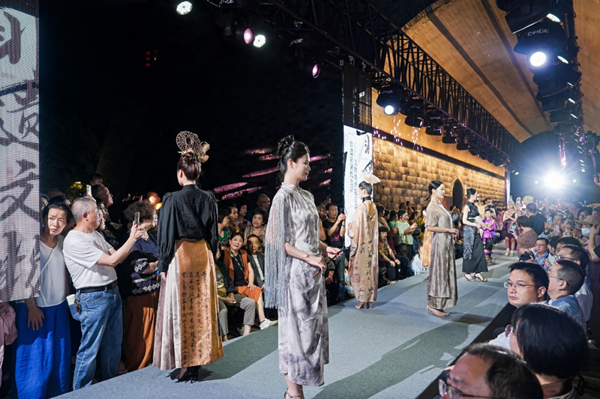
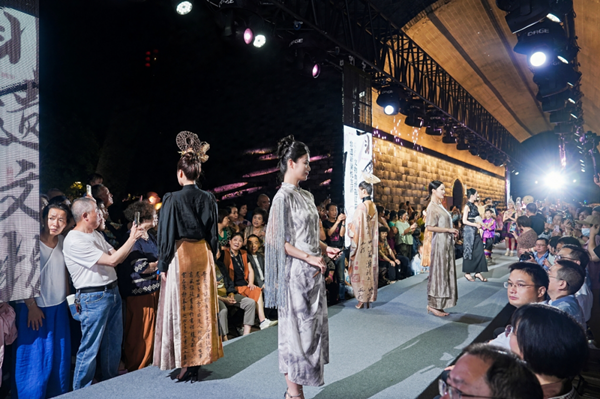
A silk clothing fashion show. [Photo/Nantaihuhao APP]
At the Shuanglin silk damask provincial intangible heritage workshop, traditional weaving continues alongside innovative hands-on experiences like restoration, attracting thousands of tourists annually.
Huzhou's sericulture culture is merging with tourism, offering immersive experiences. The city combines international appeal with local charm, integrating silk-themed attractions and historical sites into premium inbound travel routes for international visitors.
With 142 silk enterprises, Huzhou produces a third of China's silk, with exports comprising a fifth of the national total. The thriving silk culture has driven local economic growth and increased incomes.











 浙公网安备33010502011796号